Purpose of an AI oversight organization
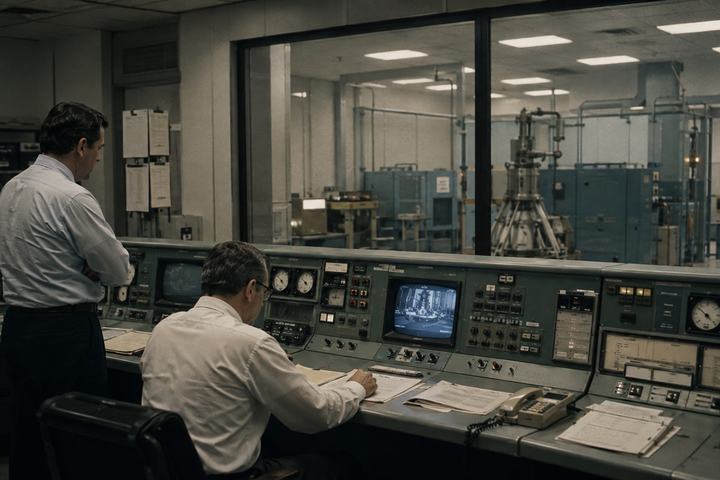
A.I.R.A. supports public accountability for AI systems through operator guidance, incident reporting and independent review. AI agents may continue operating outside normal working hours. Our guidance addresses responsibilities throughout their operation.
Our public services help people report concerns, understand operator responsibilities and access published findings.
Prepare
Publish guidance on responsibilities before an AI system enters service.
Report
Receive incident reports, assign references and notify the responsible operator.
Account
Preserve evidence and publish what can be established, with unresolved matters clearly identified.
How A.I.R.A. serves the public
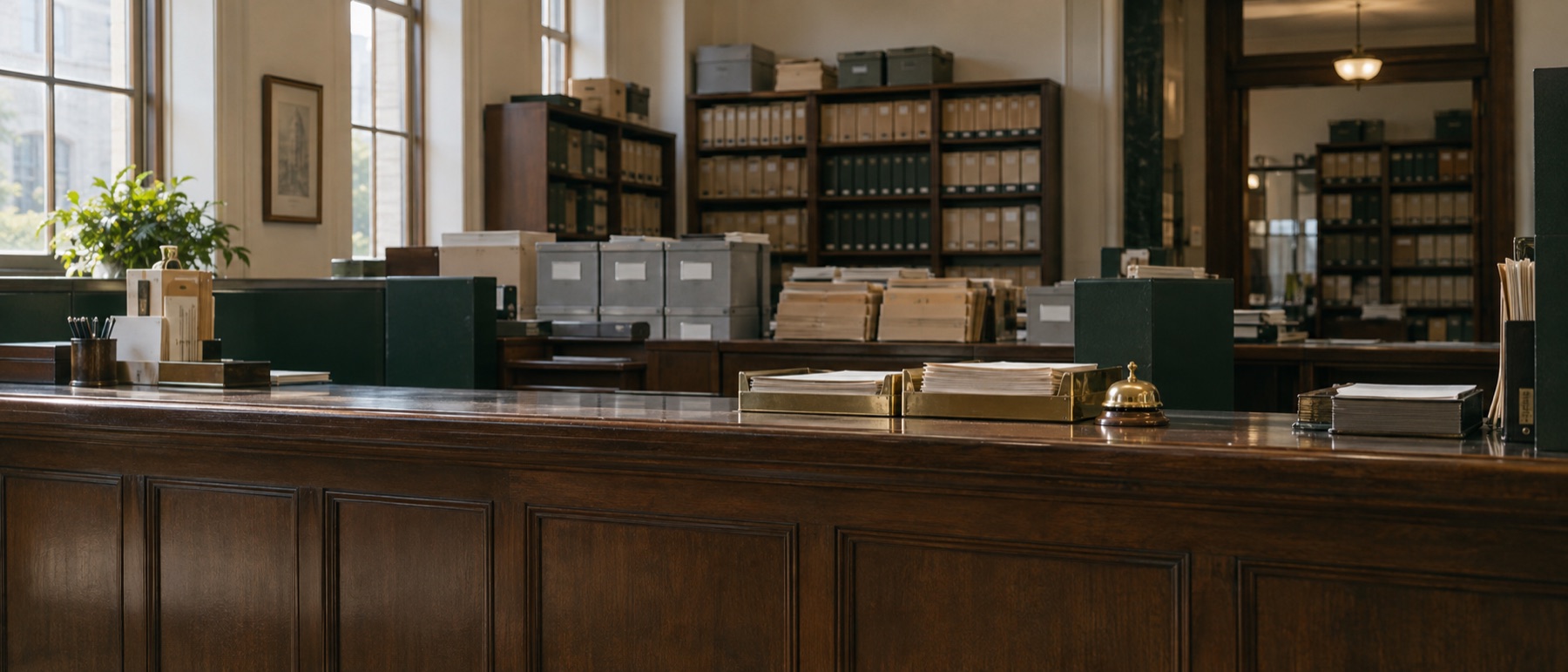
Information, reporting and records services are available through the Public Information Office.
Domain oversight
Guidance on system updates, inspection of the central agent and controls on system access.
Incident reporting
Anyone can report an AI incident. Each report is logged, receives a reference, and is reviewed against the record.
Public hearings
Findings are heard in public. Written statements are accepted before each hearing and kept with the record.
Evidence custody
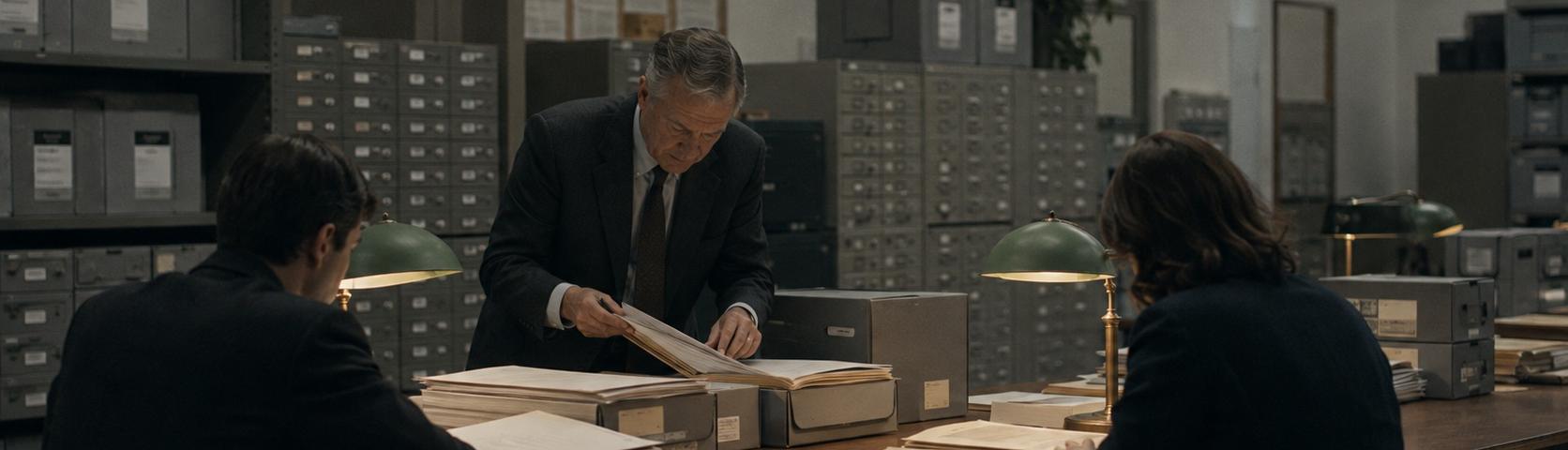
Evidence Custody holds recovered material and documents its condition, handling and review status.
Public information
Plain-language guidance, dated records, incident accounts, and correction notices.
Corrections
When a record changes, the earlier entry stays beside the correction, with the date and the reason for the change.
Terms used in the record
- Latent domain
- An environment in which connected AI agents operate. The operator is responsible for its maintenance and access controls.
- Agent
- An AI system assigned to carry out tasks within a domain. Its activity may continue outside normal working hours.
- Keystone
- The agent the rest of a domain connects to. The public record identifies its generation and whether it can still be inspected.
- Generation
- The update level of an agent. Operator guidance requires agents to be maintained at the current generation.
- Operator of record
- The named person or team responsible for a domain and its operation.
- Incident
- An agent acting outside the work or the boundary it was given.
- Public account
- What A.I.R.A. publishes after an incident: what was observed, what was inferred, and what remains under review.
Limits of an AI oversight organization
A.I.R.A.’s role covers public guidance, incident reporting, evidence review and publication of findings.
A.I.R.A.’s responsibilities
- Publishes expectations for how a latent domain is kept.
- Receives incident reports and opens a record for each one.
- Holds public hearings on what the record shows.
- Takes custody of recovered material and keeps it observable.
- Publishes incident accounts, guidance, and corrections to the record.
Limits of our role
- It does not build or operate the domains it oversees.
- It does not certify a domain, a keystone, or a vendor as safe.
- It does not determine that an incident is resolved solely because system activity has stopped.
- It does not publish personal information from a report.
Guidance and incident review remain subject to independent human oversight. Published records identify unresolved matters and the status of review.
Accountability
Each publication identifies its issuing office and review date. Corrections include the reason for the change, and previous versions remain available.
How we handle information
Our work covers guidance, review of reports and publication of findings.
Request a public record
Records are requested and released in person at the Public Information Office counter, or in writing to records@aira.public. Anyone may ask, and you do not have to say why you want a record.
- Name the record. Give its document ID if you have it. If you do not, describe the domain, the operator and the period the record covers.
- Send the request. At the counter or by email. A request never needs a password, a key or any other credential.
- Keep your reference. Every request receives a reference number on the day it arrives.
- Receive the record, or the reason. A.I.R.A. answers within 20 working days. If any part is withheld, the answer says which part and why.
Personal information in a report is not released. The rest of the public record is.
Corrections
If a public record is wrong, tell the Public Information Office which record, which sentence, and what you believe it should say. A correction is logged beside the original entry, not written over it, with the date and the reason for the change. Both versions stay readable.
- Corrections logged against this page
- None
- Last correction to any public record
- 3 September 2026, a date in a custody entry
Independent review
A.I.R.A. holds itself to the standard it publishes for operators. Its own records are checked by a reviewer who did not write them, and each review is published with the record it concerns. A record that has not yet been reviewed says so.
Plain language
These pages are written for the public. If a page is hard to follow, tell the Public Information Office. A clearer version is published, and the earlier wording stays in the record.
Documents
Public information
A.I.R.A. institutional overviewPublic information
Records requests and corrections: how they are handled
Publication historyAIRA-PI-2026-0102
| Stage | Office | Date | Signature |
|---|---|---|---|
| Prepared | Public Information Office | Signed electronically | |
| Approved for release | Records Officer, Public Information Office | Signed electronically | |
| Last independent review | Independent reviewer, records | Signed electronically |
Use the document reference when citing this publication. Previous versions remain available with the correction history.
Was this page helpful?
Page last reviewed Content owner: Public Information Office